
(518) 309-8088
A bill that would dramatically expand rent control across New York State was introduced in the 2025 Legislative session as S4659/A4877.
The REST Act will cause disinvestment, deterioration and foreclosure to wide swaths of housing outside of New York City. Directed at “upstate” cities in Western, Central NY , Capital District and Hudson Valley, cities desperate for new investment and re investment in housing, the REST Act is the last thing they need.
This is because the REST Act will spread ETPA rent stabilization like a virus rapidly across the state.
Once in place, ETPA would scare off investment in desperately needed new housing, and de-fund existing sound housing leading to its demise. Access to capital needed by existing housing to fund needed capital improvements , boilers, roofs, renovations would be choked off as banks will red line any properties caught in the death spiral of rent stabilization.
The REST Act would make New York State un-investable as builders will move to states that don’t treat housing providers as demons.
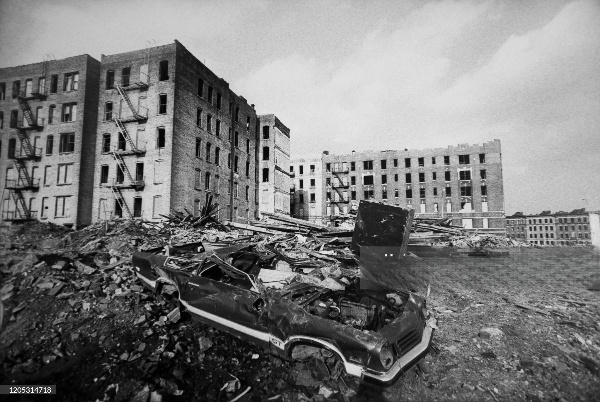
This recently proposed bill S4659/A4877, the REST Act, “Rent Emergency Stabilization for Tenants Act”, proposes to bring a quick and certain death to any hope because it will allow the rapid spread of rent control across the entire state, ensnare up to 90% or more of the rental housing in the state in its grip, and eliminate anyone’s thought of building new rental housing in the State.
The bill does this in 3 ways:
You often see press and media reports of NYC tenants sitting in front of their buildings holding signs complaining that their roof leaks, heat doesn’t work, no hot water, rats and vermin, collapsing ceilings, leaking pipes and doors that don’t lock. The landlord is always portrayed as the villain, but it’s often actually your State Legislature at fault, let’s explain.
Rent control, rent stabilization, (essentially the same, any distinction removed with a 2109 amendment), a state law , ETPA, institutionalizes a program where a politically minded rent board annually sets rent below the actual rate of inflation. The end result is, as these complaining tenants are painfully experiencing, is that their rents are not enough to pay the ever rising costs to heat, light, pay taxes and maintain their building.
Ironically, contrary to universal belief, it’s this system of State legislature created rent control laws, coupled with the political rent boards and the tenants gladly paying below cost rents for years on end are who are milking the buildings to death, not the landlords. The first thing to go is maintenance. We are already experiencing this diminution of maintenance here in Kingston, a certain slow and painful death of what were once proudly maintained buildings, all of which are old and badly need new but now disincentivized investment to maintain and improve living conditions.
The situation of deteriorating rent control buildings in NYC, particularly in the Bronx, is so serious that not only are the buildings themselves going bankrupt, but the banks which mortgage large numbers of these building themselves now find themselves in receivership. The Federal Securities & Exchange Commission in D.C. now requires banks to identify their “toxic loans” i.e., their rent-controlled mortgages, effectively redlining these building from any further financing.
A recent study by the NYU Furman Center, not exactly a conservative think tank, spells out in detail how rent control is destroying housing in the Bronx, housing which surprising share their same single most damaging key characteristic with Kingston buildings captured under rent control and which are destined to meet a similar fate.
Say you are a housing provider in Kingston and your building needs a new roof and you need to borrow $50,000 to finance it; the bank will ask where is the new money that will allow you to pay us back? Can you raise rents? yes, but under rent control laws at a pitifully small allowable amount that won’t even cover the interest on the loan. Loan denied. Roof patched, not replaced. Low rents saved, building on its way to death.
So, what does this have to do with the REST Act? If you want to spread this destruction of what are now affordable livable apartments fast, far and wide across the entire State, the REST Act is for you.
Call your State Senate and Assembly representative as shown on the Contact Your Representative page and let them know that you want to productive solutions to our housing issues through loosening of restrictive zoning and environmental laws on new building, not the spread of counterproductive , destructive rent controls and that you oppose the REST Act.
Buffalo: (716) 710-7077
Rochester: (585) 775-0434
Syracuse: (315) 464-0996
Albany: (518) 309-8088
Kingston: (845) 417-9420
Binghamton: (607) 238-5060
White Plains: (914) 288-6670